
Residential pest control is essential for maintaining a safe and comfortable home environment. Understanding common pests and their behaviors is vital for effective management. Regular inspections and proactive measures can help prevent infestations before they escalate pest control spray. However, many homeowners overlook the importance of professional assistance. Exploring the nuances of pest control strategies reveals significant insights that can enhance protection and minimize long-term costs. What factors should homeowners consider in their pest management approach?
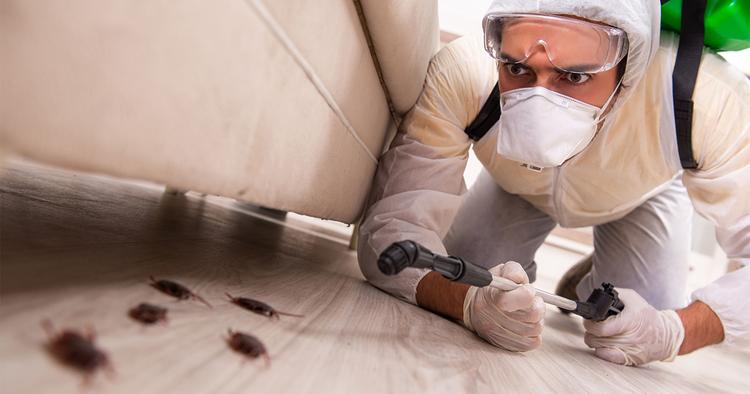
Understanding Common Household Pests
Understanding common household pests is essential for effective pest management, as these unwanted invaders can greatly affect both health and property. Various pests, including rodents, insects, and spiders, exhibit distinct behaviors and occupy specific habitats that can facilitate their invasion into homes.
For instance, cockroaches thrive in warm https://igreenasia.com/, humid environments, often residing in kitchens and bathrooms, while rodents prefer dark, sheltered areas such as attics and basements.
Understanding pest behavior, such as breeding cycles and feeding habits, informs targeted control strategies. Ants, for example, follow pheromone trails to food sources, making them susceptible to baiting strategies.
Additionally, knowledge of pest habitats allows homeowners to implement preventative measures, such as sealing entry points and maintaining cleanliness. By recognizing the environmental conditions that support pest populations, individuals can mitigate the risk of infestations and protect their living spaces effectively.
Identifying Signs of Infestation
How can homeowners effectively recognize the early signs of a pest infestation? Identifying infestation indicators is essential for timely intervention.
Common signs include droppings, which vary in size and shape depending on the pest species, and visible damage to structures or belongings. Homeowners should also be vigilant for unusual odors, which can signal pest activity, particularly with rodents and insects.
Another key aspect is observing pest behavior; for example, nocturnal pests may become more active at night, and increased sightings during the day can indicate a larger problem.
Nesting materials, such as shredded paper or fabric, are additional indicators, especially in areas like attics or basements.
Regular inspections of common entry points, including windows and doors, can further help in early detection.
A proactive approach in recognizing these signs can lead to effective pest control strategies and minimize long-term damage to the home.
Preventative Measures for Pest Control
Preventative measures for pest control are vital for maintaining a pest-free home environment. Implementing a combination of preventative products and seasonal strategies can greatly reduce the likelihood of infestations.
Homeowners should routinely inspect their properties for potential entry points, such as cracks or gaps in windows and doors, and seal them accordingly. Additionally, maintaining proper sanitation by removing food sources and managing waste can deter pests.
Seasonal strategies, such as applying insect repellents before peak pest activity periods, are essential. For example, using preventative products like bait stations and insect growth regulators can help control populations before they escalate.
Moreover, regular landscaping maintenance, including trimming overgrown vegetation and managing standing water, minimizes pest habitats. By employing these proactive approaches, homeowners can create an unfavorable environment for pests and enhance their long-term home protection efforts.

The Importance of Professional Pest Management
Professional pest management plays an essential role in safeguarding residential properties from infestations that can compromise health and structural integrity. By employing expert extermination methods, homeowners can effectively address pest-related issues that may be difficult to manage independently.
The pest control benefits extend beyond immediate elimination; they also include the prevention of future infestations, which can save homeowners significant time and financial resources.
In addition, licensed professionals possess the knowledge and tools necessary to identify pest species accurately and assess the extent of an infestation. This expertise enables them to implement targeted treatment strategies tailored to specific pest problems.
Furthermore, professional pest management often involves the use of environmentally responsible products and techniques, ensuring safety for both residents and pets.
Ultimately, investing in professional pest control is vital for maintaining a safe, healthy living environment and protecting a home’s long-term value.
Ongoing Maintenance and Monitoring Strategies
While addressing an initial pest issue is essential, ongoing maintenance and monitoring strategies are equally important for sustaining a pest-free environment.
Routine inspections serve as a proactive measure to identify potential pest problems before they escalate. These inspections should be conducted at regular intervals, ideally quarterly, to evaluate the effectiveness of existing pest control measures and to detect any new infestations.
In addition to routine inspections, implementing seasonal treatments tailored to specific pests is vital. These treatments can mitigate the risks associated with seasonal pest surges, such as ants in spring or rodents in winter.
By utilizing targeted approaches based on seasonal behavior, homeowners can maintain a thorough pest management strategy.
Ultimately, ongoing maintenance and monitoring not only protect the home but also guarantee that pest control efforts remain effective over time, reducing the likelihood of future infestations and associated costs.
Conclusion
To summarize, effective residential pest control necessitates an all-encompassing strategy encompassing regular inspections, sanitation, and the implementation of preventative measures. Recognizing signs of infestation enables timely intervention, while professional pest management provides expert solutions for complicated issues. Ongoing maintenance and monitoring are essential for sustaining long-term protection against pests. By adopting these practices, homeowners can greatly reduce pest populations, safeguard their living environments, and minimize future costs associated with pest-related damages.