
Upstage’s interior design exhibition solutions emphasize visitor engagement through open layouts and intuitive spatial organization. Their expertise integrates advanced technology like augmented reality and interactive displays, fostering active exploration. Custom layouts are crafted to highlight key pieces and support natural movement. They prioritize sustainable materials and eco-friendly practices to align with responsible creativity. Collaboration with designers and brands guarantees cohesive thematic experiences exhibition booth design malaysia. Exploring further reveals how these elements create impactful, immersive environments.
Understanding Visitor Engagement Through Design
How visitors interact with an exhibition space greatly influences their overall experience. Effective interior design fosters engagement by creating an environment that invites exploration and personal connection.
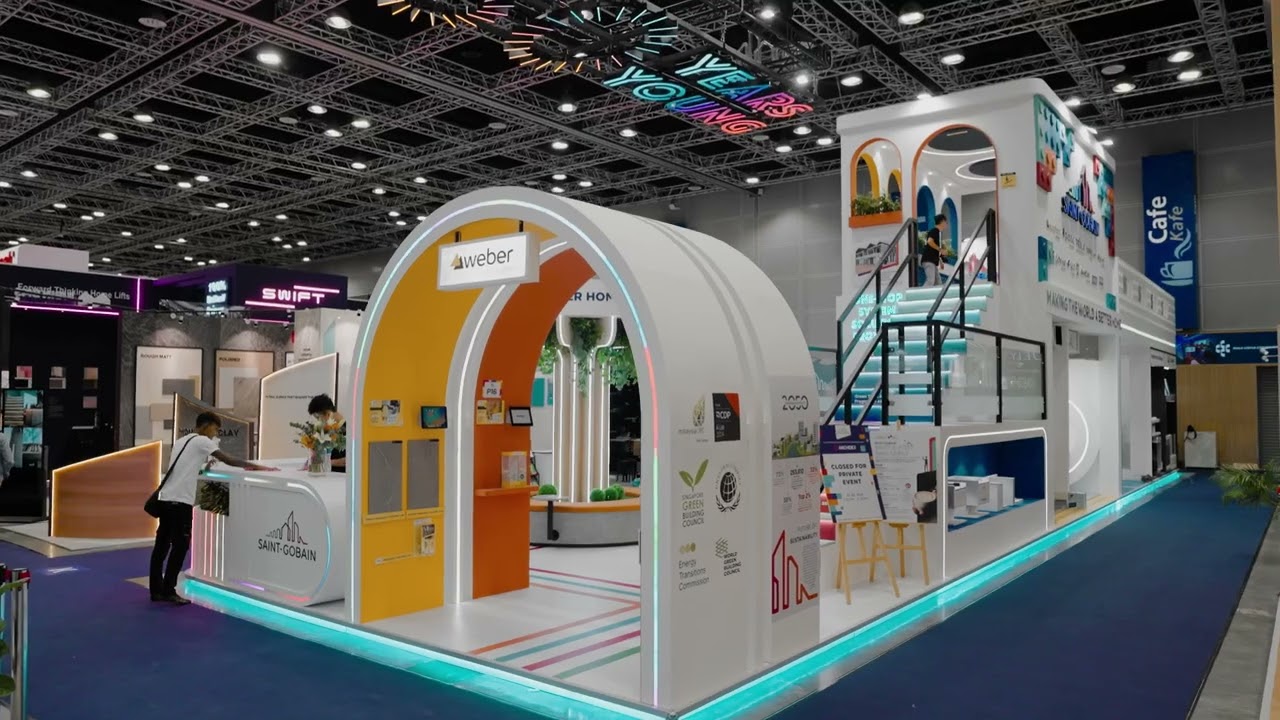
Open layouts encourage freedom of movement, allowing visitors to navigate organically rather than feeling confined by rigid pathways. Thoughtful use of scale https://upstageexpo.com/home, lighting, and materials can evoke emotions that resonate with individual sensibilities, enhancing the sense of discovery.
Additionally, clear sightlines and intuitive spatial organization support effortless interaction with exhibits. Design elements that respect personal space while promoting curiosity help balance comfort with stimulation.
Integrating Technology for Interactive Experiences
While traditional design elements establish the foundation of an exhibition, integrating technology transforms the space into an interactive environment that actively engages visitors.
Upstage’s expertise highlights the use of augmented reality, touchscreens, and immersive projection mapping to encourage exploration and personal interaction. These tools enable visitors to manipulate displays, access layered content, and experience designs beyond static visuals.
Technology also facilitates real-time feedback and customization, allowing users to navigate exhibits at their own pace and according to their interests.
Customizing Exhibition Layouts for Maximum Impact
Building on the enhanced engagement provided by interactive technology, customizing exhibition layouts plays a significant role in maximizing visitor impact.
Thoughtful spatial design encourages natural movement, allowing attendees to explore freely without feeling constrained. By tailoring pathways, sightlines, and display arrangements to the unique characteristics of each exhibition, designers create an intuitive flow that highlights key pieces while maintaining openness.
Flexibility in layout supports diverse presentation styles, from minimalist to immersive environments, catering to varied visitor preferences. Upstage’s experience demonstrates that strategic zoning and adaptable setups foster deeper connections between the audience and the showcased work.
Ultimately, custom layouts empower visitors to engage on their own terms, enhancing satisfaction and memorability through a seamless, personalized experience that respects freedom of choice and exploration.
Utilizing Sustainable Materials and Practices
Although exhibition design aims to captivate audiences, prioritizing sustainable materials and practices is essential to reduce environmental impact.
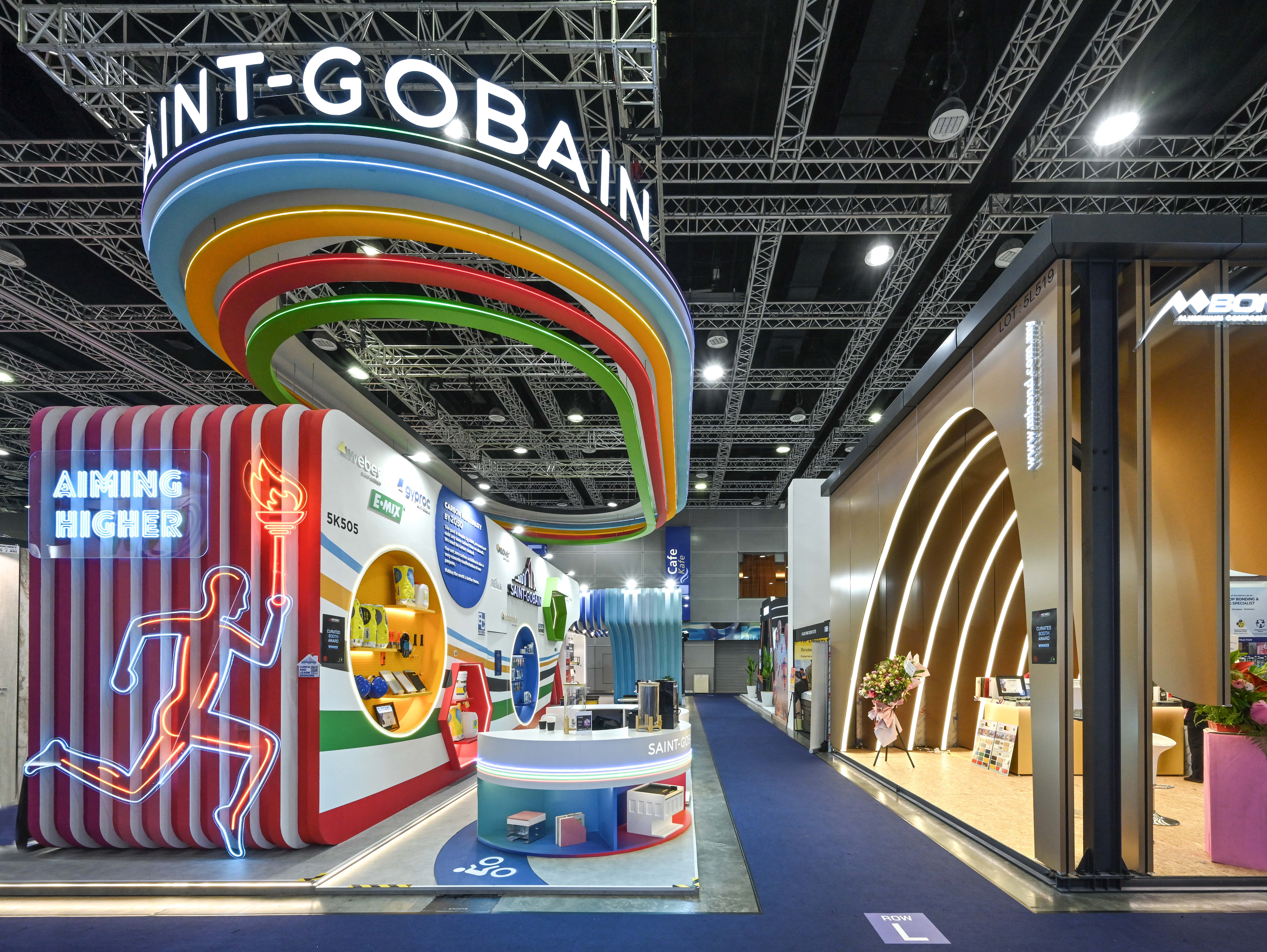
Upstage’s approach emphasizes sourcing eco-friendly materials such as recycled wood, low-VOC paints, and biodegradable fabrics. By integrating these choices, exhibitions maintain aesthetic appeal while minimizing waste and pollution.
Additionally, modular designs enable reuse and adaptability, extending the lifespan of installed components. Energy-efficient lighting and digital displays further reduce resource consumption.
This commitment to sustainability aligns with the growing demand for responsible creativity, offering exhibitors freedom to innovate without compromising ecological integrity.
Ultimately, utilizing sustainable materials and practices transforms exhibitions into conscientious experiences that respect both artistic vision and the planet’s wellbeing.
Collaborating With Designers and Brands for Cohesive Themes
Sustainable materials set a thoughtful foundation, but cohesive exhibition themes require strategic collaboration between designers and brands. Upstage’s experience highlights that aligning visions early enables freedom in creative expression while maintaining brand identity.
Successful collaborations often focus on:
- Clear communication channels to guarantee shared goals and timely feedback.
- Integrating brand narratives with design elements to create immersive, authentic experiences.
- Flexibility in design adjustments that respect both aesthetic freedom and practical constraints.
This partnership approach allows designers to innovate within brand frameworks, producing environments that resonate with audiences and reflect unified themes.
Conclusion
Upstage’s interior design exhibition solutions demonstrate a thorough approach to enhancing visitor engagement through thoughtful design. By integrating interactive technology, customizing layouts, and prioritizing sustainable materials, they create impactful and memorable experiences. Their collaborative efforts with designers and brands guarantee cohesive and innovative themes, reflecting a deep understanding of exhibition dynamics. This holistic strategy positions Upstage as a leader in delivering exhibitions that are both visually compelling and environmentally responsible.