
If you’re dealing with an ingrown toenail, it’s important to handle it carefully to avoid worsening pain or infection. You can take simple, evidence-based steps at home—like soaking your foot mobile podiatrist perth, trimming the nail properly, and using clean materials to ease discomfort. But knowing exactly how to do these safely can make all the difference. There’s more to managing this common issue than you might expect, especially when it comes to preventing complications.
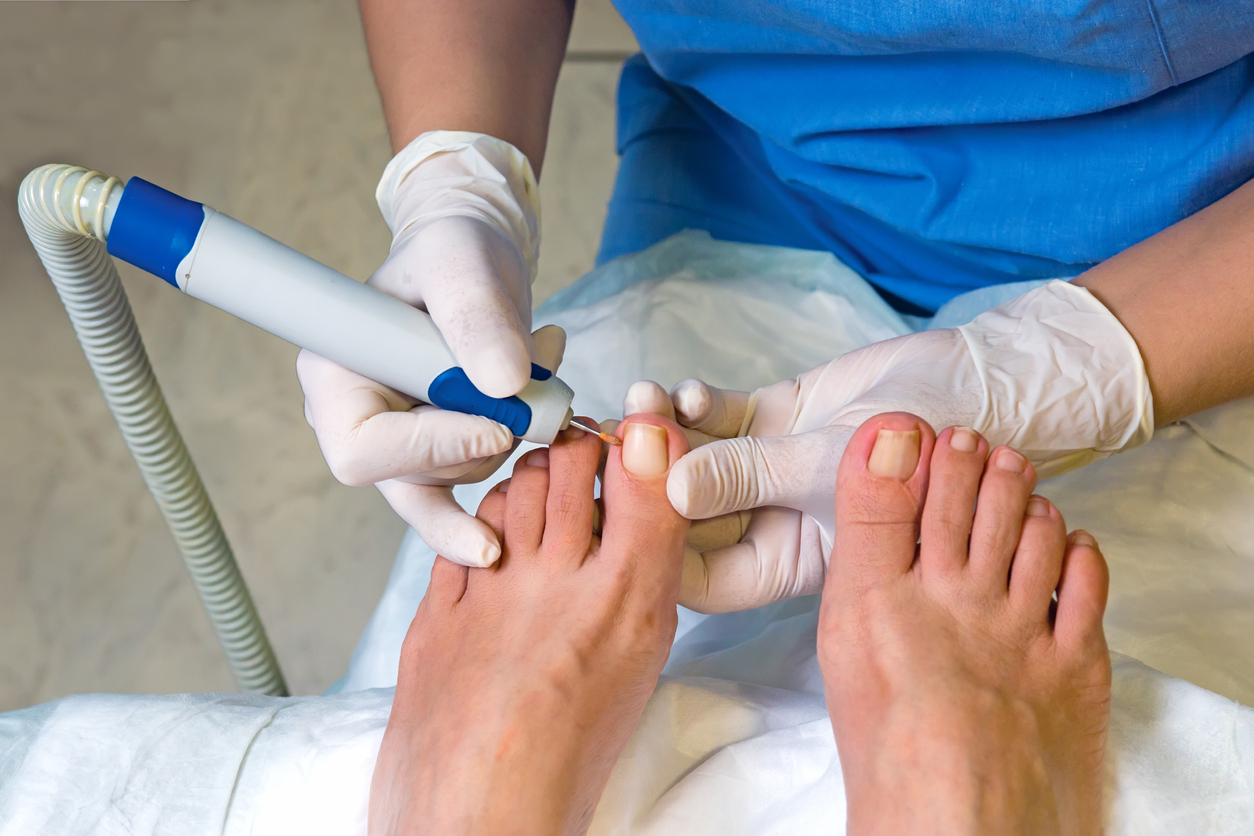
How to Identify an Ingrown Toenail
Although ingrown toenails are common, you mightn’t immediately recognize the signs. You’ll notice pain along the edges of your toenail, especially when pressure is applied People Podiatry, like wearing tight shoes. Your skin may look red or swollen near the nail’s side, and you could even spot some drainage if infection starts.
It’s not just discomfort; you might feel warmth or tenderness, signaling your body’s response to irritation. If you ignore these signs, the problem can worsen, limiting your movement and freedom. Catching an ingrown toenail early helps you act fast, avoiding serious pain or infection. By paying attention to these clear symptoms, you take control and keep your feet healthy, so you can stay active without being held back.
How to Trim an Ingrown Toenail Safely at Home
Trimming an ingrown toenail safely at home requires careful attention to technique and hygiene to prevent further irritation or infection.
First, soak your foot in warm water for 15–20 minutes to soften the nail. Dry your foot thoroughly. Use clean, sharp nail clippers and cut straight across the nail’s edge, avoiding rounded or angled cuts that can worsen the ingrown edge. Never dig into the skin or cut the nail too short.
If the nail edge is embedded, gently lift it with a clean cotton ball or dental floss to encourage growth away from the skin. Always disinfect your tools before and after use.
Safe Home Remedies for Ingrown Toenail Relief
Once you’ve safely trimmed your ingrown toenail, you can turn to simple home remedies to ease pain and reduce swelling.
Soak your foot in warm water mixed with Epsom salts for 15–20 minutes daily. This helps soften the skin and relieve discomfort.
You can also apply an over-the-counter antibiotic ointment to prevent irritation and cover the area with a clean bandage.
Wearing open-toed or loose-fitting shoes gives your toes space to breathe and heal without added pressure.
If you experience pain, taking an over-the-counter pain reliever like ibuprofen can keep you comfortable.
These steps let you manage your ingrown toenail safely at home while maintaining freedom and control over your recovery.
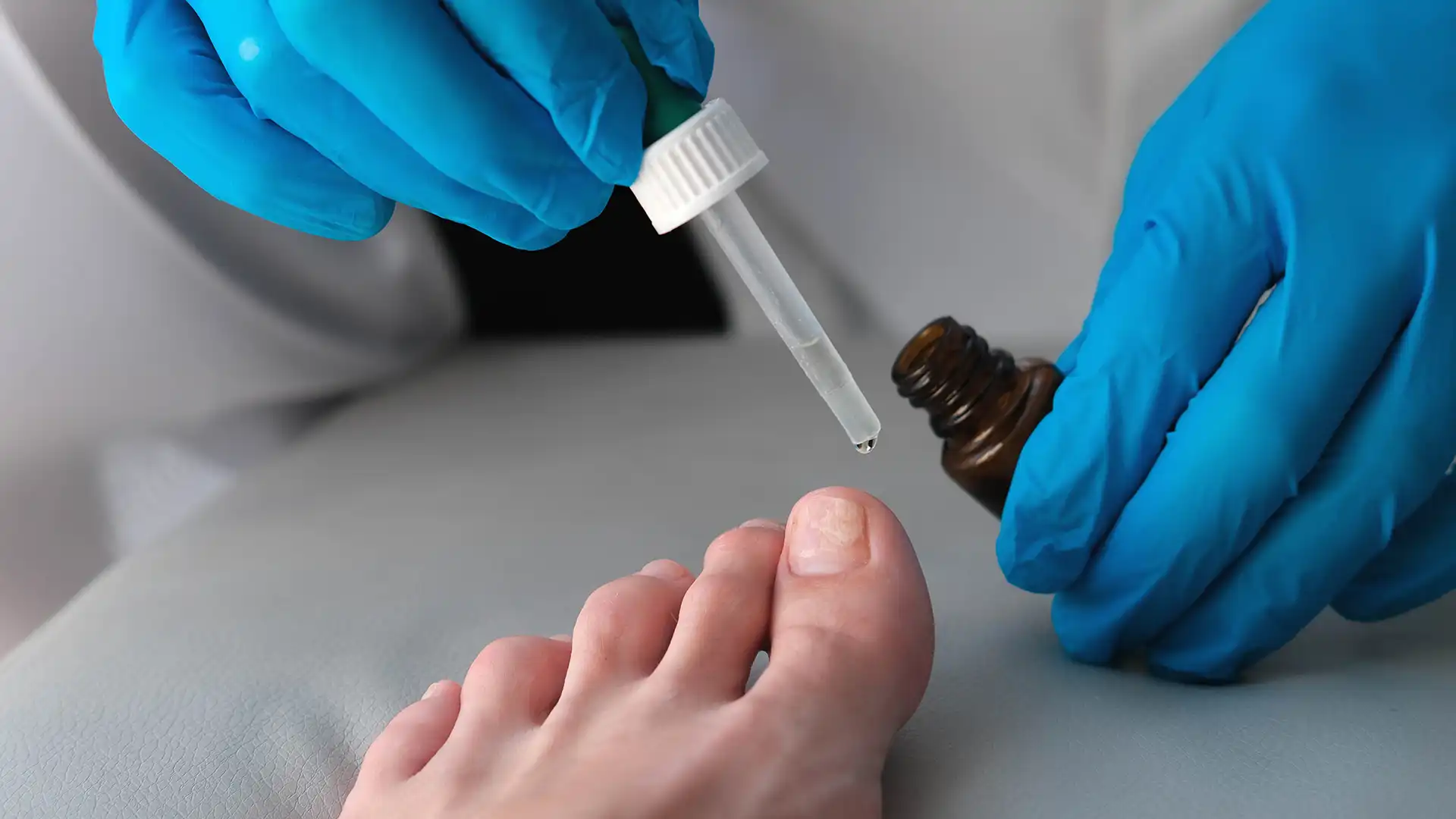
How to Reduce Ingrown Toenail Swelling and Prevent Infection
Reducing swelling and preventing infection are key steps to healing your ingrown toenail quickly. You can take control of your recovery by following simple steps that empower you to stay comfortable and free from complications.
- Soak your foot in warm, salty water for 15-20 minutes twice daily to ease swelling and clean the area.
- Apply an antibiotic ointment to prevent infection and cover the toe with a clean bandage.
- Wear loose, breathable shoes to avoid pressure on the affected toe and allow airflow.
- Elevate your foot when possible to reduce inflammation and promote faster healing.
When to Seek Professional Help for Ingrown Toenails
If your ingrown toenail causes persistent pain, swelling, or signs of infection like pus and redness, you should see a healthcare professional promptly. Don’t wait—ignoring these symptoms can lead to complications that limit your mobility and freedom.
Also, seek help if home treatments don’t improve your condition within a few days or if the pain worsens. If you have diabetes, poor circulation, or a weakened immune system, consult a podiatrist early to avoid serious issues.
Professionals can safely remove the ingrown portion, treat infections, and offer personalized advice to prevent recurrence. Taking action frees you from discomfort and keeps you moving confidently, without the risk of worsening the problem by trying to handle it alone.
Conclusion
Now that you know how to treat an ingrown toenail safely at home, you can ease your pain and prevent infection with simple steps like soaking, careful trimming, and using antibiotic ointment. Remember to keep your feet clean, wear comfortable shoes, and watch for signs of worsening symptoms. If your condition doesn’t improve or you have health concerns like diabetes, don’t hesitate to seek professional care to protect your foot health.